
BeMagic!, Erne SWIMRUN, GearUp, Swimrun
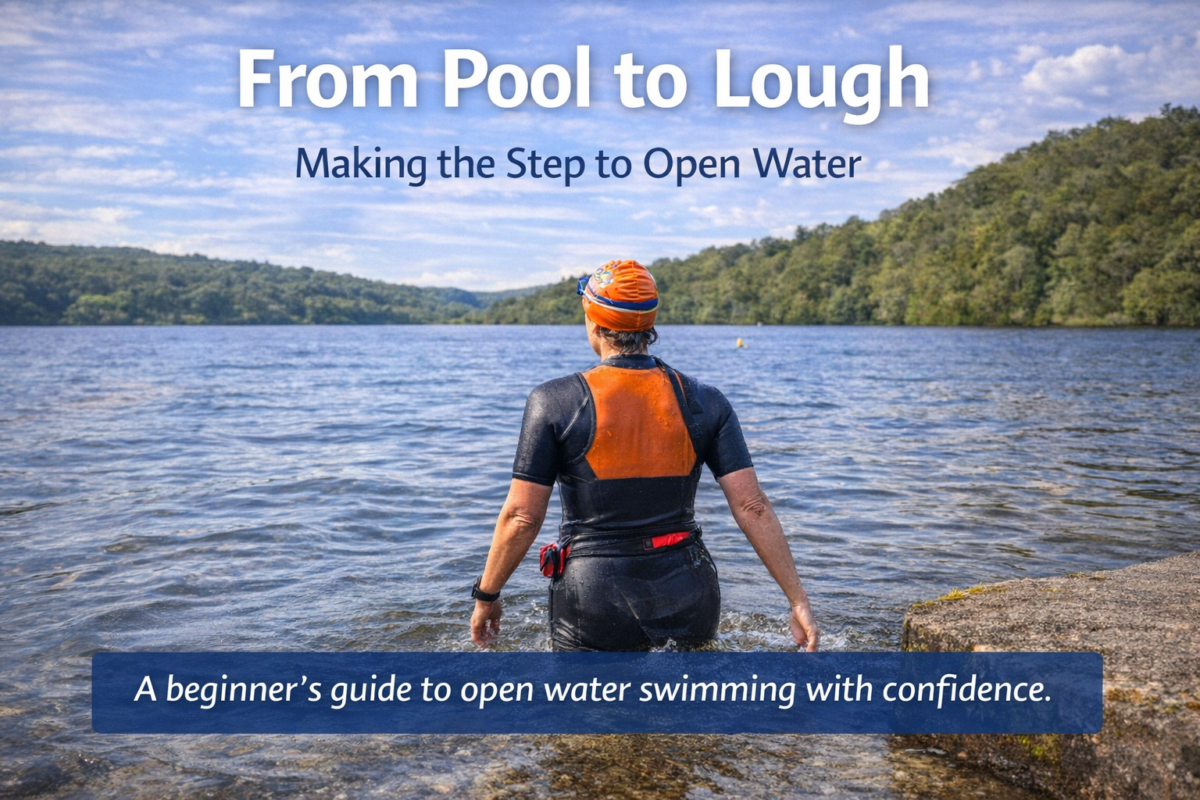
From Pool to Lough – Making the Step to Open Water
Feb
For many swimmers, the pool feels like home.
Clear water. Black lines on the floor. A wall every 25 metres. The temperature never changes and nothing touches your feet except tiles.
Then someone mentions swimming in a lough — or taking part in the Mana Art Erne SWIMRUN 2026.
No walls. No lanes. Darker water. Wind, waves, space.
And suddenly the confident pool swimmer becomes unsure again.
If that’s you, you’re not alone. Almost every swimrunner starts exactly here – comfortable indoors, curious about the outdoors, and wondering how big that step really is.
The pool and the lough are different worlds
Pool swimming teaches brilliant foundations:
• breathing rhythm
• body position
• stroke technique
• confidence putting your face in the water
But open water adds new layers:
• no lines to follow
• sighting where you’re going
• cooler temperatures
• movement from wind and chop
• the mental side of wide, open space
None of these are problems. They’re just skills you haven’t learned yet.
And skills can be learned — step by step on the road to the Mana Art Erne SWIMRUN 2026.
The biggest barrier isn’t fitness – it’s familiarity
Most people assume they need to be “stronger” to swim outside.
In reality, what they need is exposure.
The first time in a lough your brain is busy:
What’s under me?
Why does it feel colder?
Am I going straight?
After a few sessions those questions disappear and something amazing happens:
You start to relax.
Your stroke settles.
Your breathing finds rhythm.
And open water stops feeling wild – it starts feeling free.
That’s exactly the journey so many of our athletes take before lining up at the Mana Art Erne SWIMRUN 2026.
Simple steps from pool to open water
You don’t need to jump straight into a long lake crossing. A gentle progression works best:
1. Start with short, supported swims
Go with a group, a coach, or a friend. Knowing someone is nearby changes everything.
2. Practice sighting early
In the pool, lift your eyes every 6–8 strokes and look forward. It feels strange at first but becomes natural fast.
3. Get comfortable with your kit
Wetsuit, goggles, maybe a tow float – try them before race day so nothing feels new.
4. Expect the first 2 minutes to feel odd
Cold water response is real. Give yourself time, breathe, and it passes.
5. Think time, not distance
“5 relaxed minutes” is better than “200 stressful metres.”
These are the same steps followed by many first-timers who later take on the swims in Upper Lough Erne at the Mana Art Erne SWIMRUN 2026.
Why swimrunners love the lough
Pool swimming is exercise.
Open water is experience.
You notice the light on the hills, the sound of water on your arms, the quiet rhythm of moving through nature. Many people tell us their first outdoor swim felt less like training and more like discovering something they’d been missing.
And when you add a short run between swims, the fear turns into adventure — the exact spirit behind the Mana Art Erne SWIMRUN 2026.
You don’t need to be an expert to start
At the Mana Art Erne SWIMRUN we see all kinds of swimmers:
• people who learned front crawl last year
• triathletes used to pools
• runners who only recently began swimming
• teams where one partner is stronger than the other
What matters isn’t perfection.
It’s willingness.
If you can swim a few lengths in a pool and you’re open to learning, you can make the step to the lough — and towards the start line of the Mana Art Erne SWIMRUN 2026.
And we’ll help you do it.
⸻
Thinking about trying swimrun but unsure?
The water doesn’t ask how fast you are.
It only asks if you’ll begin.
See you at the shoreline at the Mana Art Erne SWIMRUN 2026.
